Luoyang Peony
Overview
The Luoyang Peony is a symbol of cultural and artistic significance in Luoyang, Henan province, China. Revered for its beauty and historical importance, the peony has become an emblem of prosperity and cultural heritage in the region. Its prominence is celebrated through various artistic expressions, festivals, and industries, making it a central feature of Luoyang's identity.
Historical Significance
The peony's association with Luoyang traces back to a legendary incident during the Tang Dynasty (618–907). Empress Wu Zetian, the only female emperor in Chinese history, commanded all flowers to bloom in winter. The peony, however, defied her order and was subsequently banished to Luoyang. Since then, the flower has flourished in the city, becoming an enduring symbol of resilience and beauty.
Over the centuries, the peony has been celebrated in poetry, art, and literature, earning Luoyang the title "Millennium Capital, Peony City." The flower's cultural significance has also contributed to the city's reputation as a hub of artistic and economic growth.
Luoyang Peony Festival
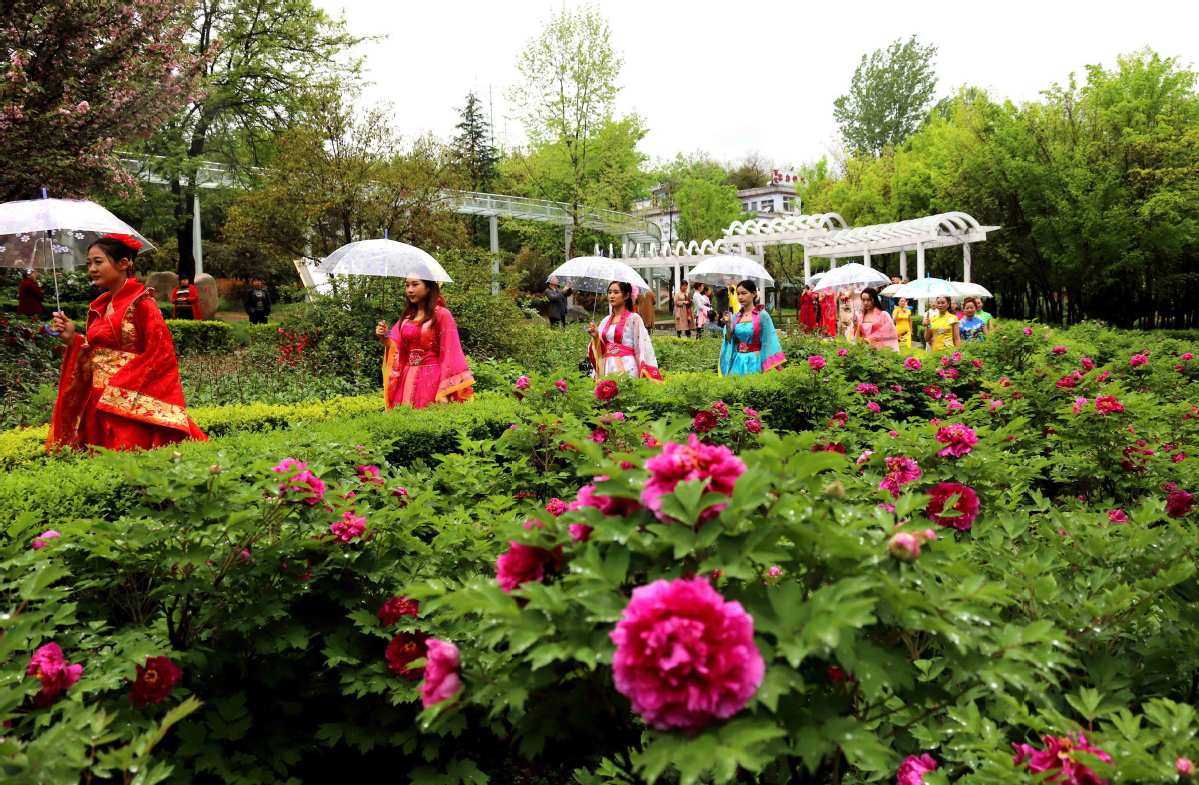
The Luoyang Peony Festival is an annual event held from April to May, showcasing the city's rich cultural heritage and the natural beauty of its iconic flower. Originating in 1983, the festival has grown significantly in scale and popularity, attracting millions of visitors each year. It was designated as a national intangible cultural heritage in 2008 and later upgraded to the Peony Culture Festival of Luoyang China.
The festival features vast gardens with hundreds of peony varieties, cultural performances, folk dances, and art exhibitions. Visitors can immerse themselves in the vibrant atmosphere by dressing in hanfu, traditional Chinese attire, and exploring the city's streets adorned with peony-themed decorations. The event not only celebrates the flower but also serves as a platform for economic and cultural exchange, contributing significantly to the city's tourism and revenue.
Artistic Expressions
The Luoyang peony has inspired various forms of artistic expression, including painting, porcelain, and handicrafts. Pingle village, known as China's first peony-drawing village, exemplifies the thriving art industry centered around the flower. The China Pingle Peony Drawing Culture Creative Industry Park, established in 2011, provides facilities for artists to create, teach, and sell their works. The park includes painting studios, a sketching area, and an e-commerce center, enabling farmer-painters to reach a global audience.
Peony porcelain is another notable art form that combines the flower's cultural significance with China's ancient ceramic craftsmanship. This unique fusion has given rise to a new genre of artistic ceramics, showcasing intricate designs and techniques that reflect the region's heritage.
Economic Impact
The peony's cultural and artistic significance has translated into substantial economic benefits for Luoyang. The annual Peony Festival attracts millions of tourists, generating billions of yuan in revenue. The event also serves as a platform for investment and business opportunities, with activities such as the International Ancient Capitals Forum and the Luoyang International Robot & Intelligent Equipment Expo held alongside the festival.
Peony-related industries, including porcelain, tea, oil, and handicrafts, contribute to the city's economic growth. Local businesses and travel agencies collaborate to enhance the tourist experience, offering packages that combine flower viewing with shopping and dining.
Cultural Tourism
Luoyang's peony culture is deeply intertwined with its historical and artistic heritage, making it a focal point of cultural tourism. The reconstructed Luoyi city, reflecting over 800 years of history, integrates peony-related industries with cultural attractions to draw visitors. The city's efforts to promote its heritage include organizing study tours for overseas students and enhancing public services, such as free performances and study rooms.
The Yellow River National Cultural Park further enriches the cultural experience by showcasing the region's intangible cultural treasures, including food, arts, and celebrations. Visitors can explore the enduring legacy of the Yellow River while savoring iconic dishes and performances that reflect the deep connection between the land and its people. Article reference1. Tastes & traditions of the Yellow River. en.chinaculture.org. 20252. International students experience the making of peony porcelain in Luoyang. chinadaily.com.cn. 20243. Success takes root in peony capital. chinadaily.com.cn. 2018Photo Gallery(7 pictures)CategoriesCultural HeritageTagIntangible Cultural HeritageCultural LandscapeRelatedPeonies in Chinese CultureThe Luoyang Peony FestivalYellow River National Cultural ParkLongmen Grottoes, LuoyangCatalogue1. Overview2. Historical Significance3. Luoyang Peony Festival4. Artistic Expressions5. Economic Impact6. Cultural Tourism- - - []








